
The Future of Payments: A Glimpse Into Tomorrow’s Transactions
The world of payments is evolving at an unprecedented pace. From cash to credit cards, and now to mobile wallets and cryptocurrencies, the way we pay for goods and services is constantly being transformed by advances in technology. The future of payments promises to be even more transformative, offering a transaction rate that prioritizes speed, security, and convenience.
In this post, we explore some of the key developments shaping the future of payments, including fiat currencies, biometric authentication, artificial intelligence-based payment solutions, and the Internet of Things (IoT) in transaction
1. The Rise of Digital Currenci
Cryptocurrencies like Bitcoin, Ethereum, and stablecoins have been the talk of the town in recent years, and are the most important players in their field. While some people still view digital currencies with skepticism, the ongoing development of blockchain technology is poised to disrupt the system’s possibilitie
Cryptocurrencies offer many advantages, including faster cross-border payments, lower transaction fees, and greater transparency. Governments and central banks are also exploring Central Bank Digital Currencies (CBDCs) as a way to digitize national currencies, which could have a huge impact on the future of mone
In the future, we could see more businesses accepting cryptocurrencies for payment, and consumers using digital wallets to pay for everything from coffee shops to cars. The decentralized nature of these currencies could offer new potential freedoms for people, especially in regions where the banking system is inaccessible or needs to be accessibl
2. Biometric Authentication: A More Secure and Convenient Way to P
As the digital payments ecosystem grows, security has become a major concern. Passwords, PINs, and credit cards can all be vulnerable to fraud or theft. The solution to this problem may lie in biometric authentication, which uses unique physical characteristics—such as fingerprints, facial recognition, or iris scans—to verify a person’s identit
Biometric payment systems are already being used in some parts of the world, allowing people to pay for goods and services with a simple scan of their face and a touch of their finger. This technology is expected to come as customer demands for security become increasingly importan
Not only do biometric payment solutions offer greater security, they also facilitate convenience by eliminating the need to remember passwords or carry physical cards. In the future, biometric authentication could become the standard for personal identification of individuals, making fraud a thing of the pas
3. AI-Based Payments: Personalizing the Payment Experien
Artificial Intelligence (AI) is transforming AI in many ways, and the payments sector is no exception. AI is being used to personalize the payment experience, predict transactions, and even prevent fraud. By analyzing data patterns, it helps institutions and machines offer AI the most relevant services, making it easier and more responsive to their preference
AI-based payment solutions will also help detect fraudulent transactions in a more timely manner. Machine learning algorithms can analyze large amounts of transaction data to detect unusual patterns, allowing institutions to flag fraudulent activity before it causes damag
As AI technology continues to evolve, we can expect more, more intuitive solutions that will make transactions faster, safer, and more personalize
4. Internet of Things (IoT): Payments Everywhe
Internet of Things (IoT) are connected devices that can communicate and interact. From wearables and speakers to refrigerators and increasingly, cars, and the internet. This opens up new possibilities for how we make payment
Imagine being able to buy groceries from your fridge, for a ride with your watch, or how your favorite coffee is delivered to your car dashboard. The future of payments could be seamless, with transactions happening automatically as we interact with the world around u
Payments based on your IoT are already becoming a reality, with a growing number of developers looking to facilitate transactions. As the number of available options grows, we will see a world where they are integrated into every aspect of our daily live
5. Contactless and Mobile Payments: Speed and Convenien
Contactless payments, where you tap your card or smartphone to pay, are already widespread in many countries. This technology is expected to continue to grow, driven by the demand for speed and convenience. With mobile wallets like Apple Pay, Google Wallet, and Samsung Pay, paying for goods and services is now as easy as tapping your phone on a payment termina
The future of contactless payments looks even more promising, as NFC (Near Field Communication
) l.ces.s.s.red.e.s.cet.t.y.aye.y.s.ess.

Subscribe to our Newsletter
Resources and Insights

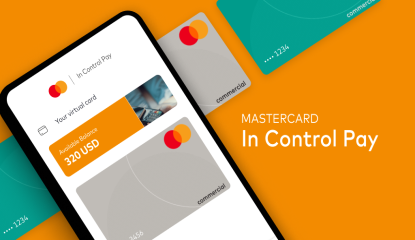
From Traditional to Digital: The Evolution of Business Payments
In this blog post, we will explore the journey of business payments, from traditional methods to digital solutions that are shaping the future of commerce.
Read More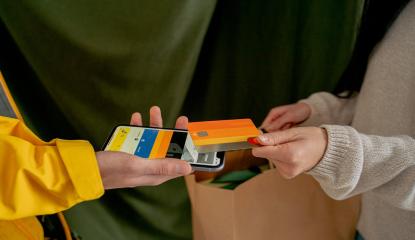
How Virtual Cards Enhance Security in Online Transactions
Virtual cards act as a safeguard for your online transactions by replacing your real card details with temporary, unique credentials. They minimize the risk of data breaches and unauthorized access, offering greater privacy and control. With features like transaction limits and single-use functionality, virtual cards are transforming digital payments. Discover how they provide a smarter, more secure way to shop online.
Read More